Standard routes
Tibet journeys
Our first standard route for Tibet is being prepared.
Coming soon


High plateau · Sacred culture · Guided routes
Sacred landmarks, Himalayan landscapes, and high-altitude journeys that require time, care, and advance planning.
Journeys on the roof of the world
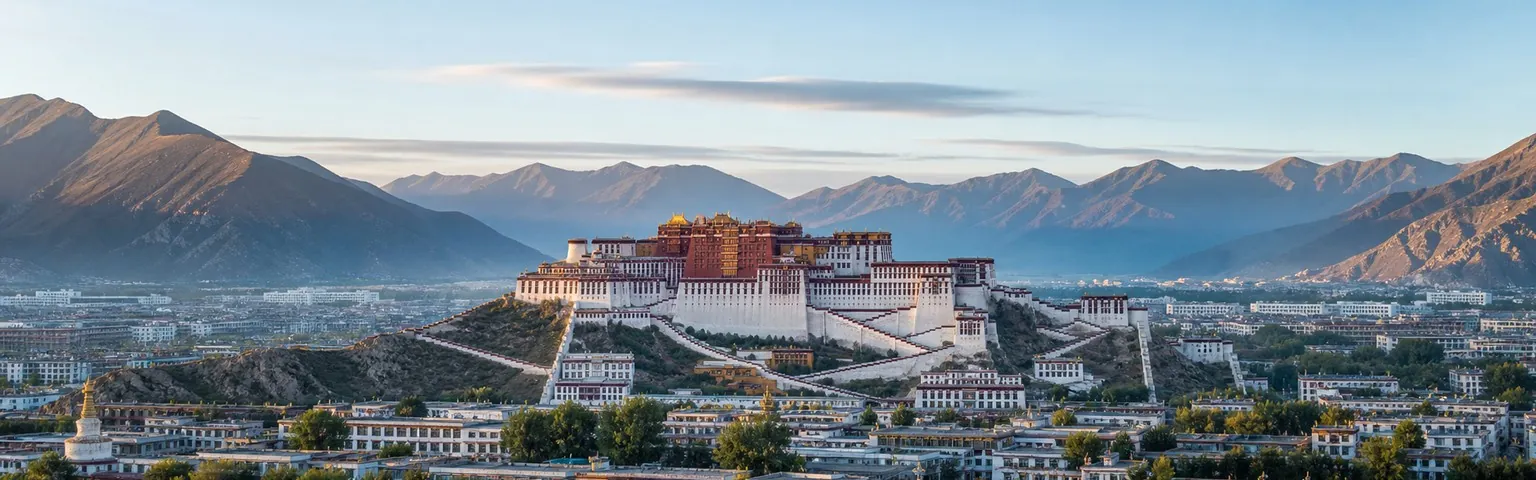
Across the Tibetan Plateau, monasteries, pilgrimage streets, turquoise lakes, and the world’s highest mountains create a journey unlike any other in China. Lhasa’s Potala Palace and Jokhang Temple are not simply monuments; they remain central landmarks in a living cultural and spiritual landscape.
Altitude changes how the trip must be paced, and foreign passport holders generally need a Tibet Travel Permit arranged in advance through an authorized tour operator. Independent travel is not permitted under current requirements, so route design, acclimatization, and paperwork need to be handled together before booking transport.
Recommended time
Five to seven days suit Lhasa and nearby lakes; Everest or western routes require more time and slower altitude gain.
Standard routes
Our first standard route for Tibet is being prepared.
Coming soonStart here
 01
01
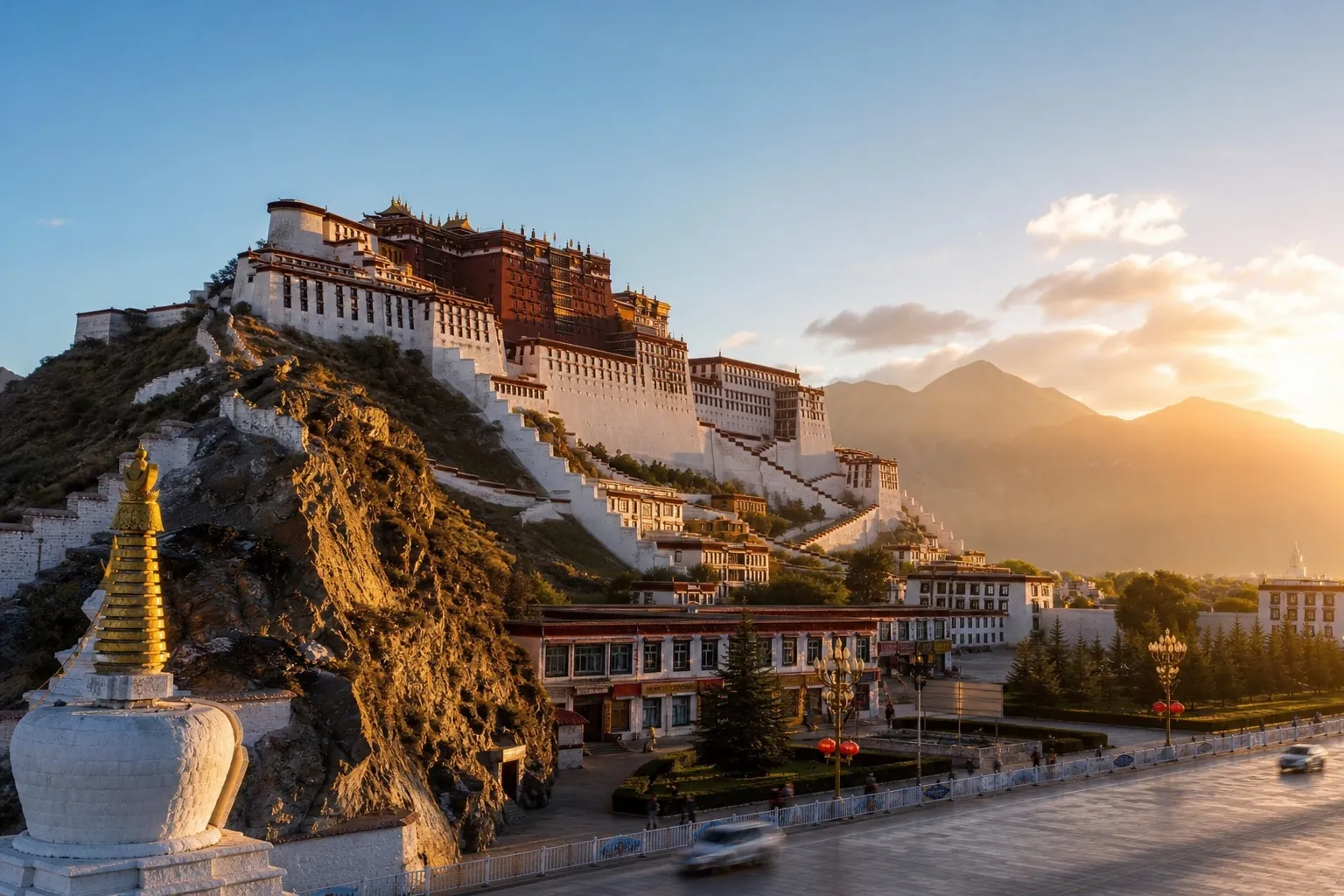
Lhasa’s defining landmark and a central symbol of Tibetan culture.
 02
02
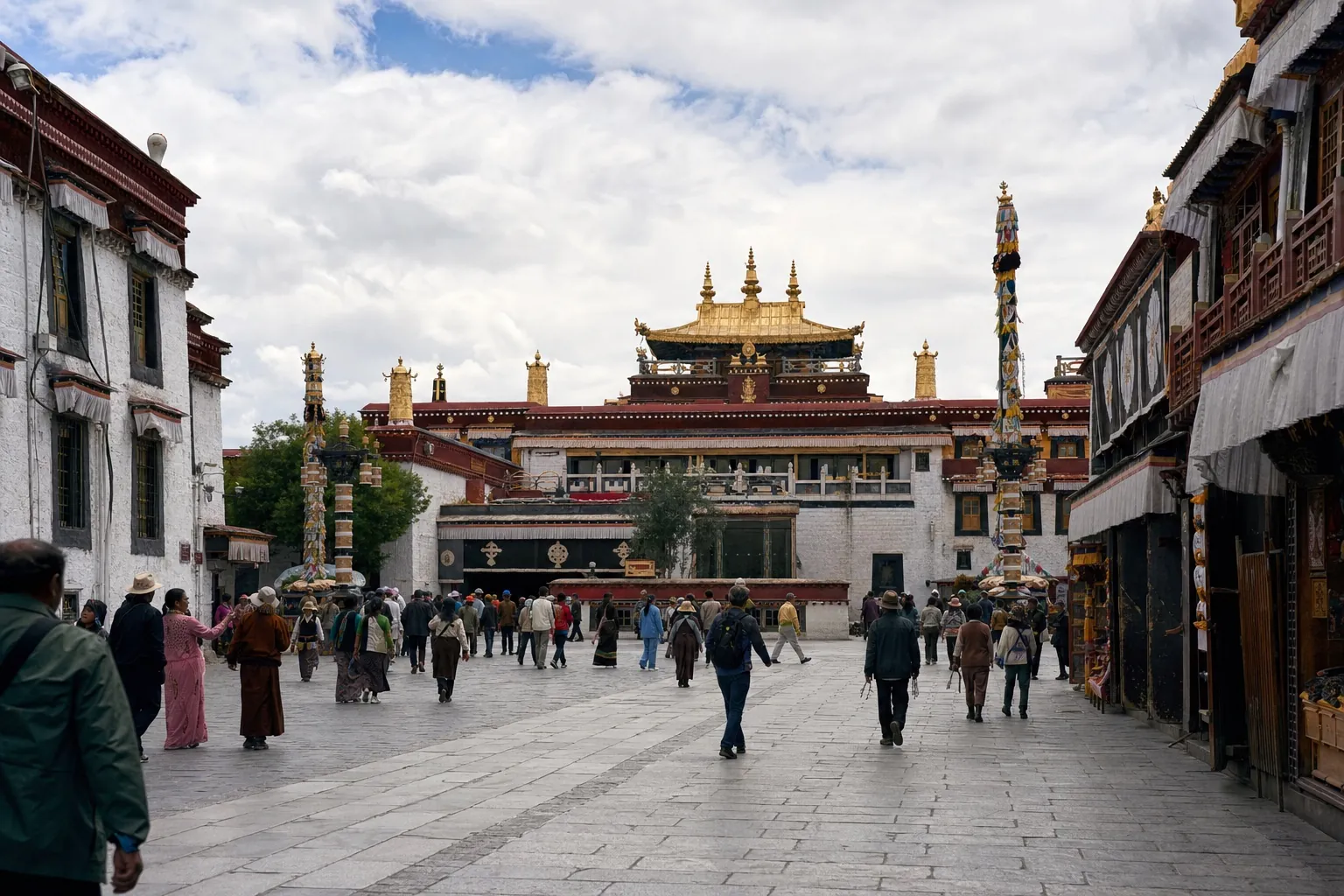
A sacred temple at the heart of the Barkhor pilgrimage circuit.
 03
03
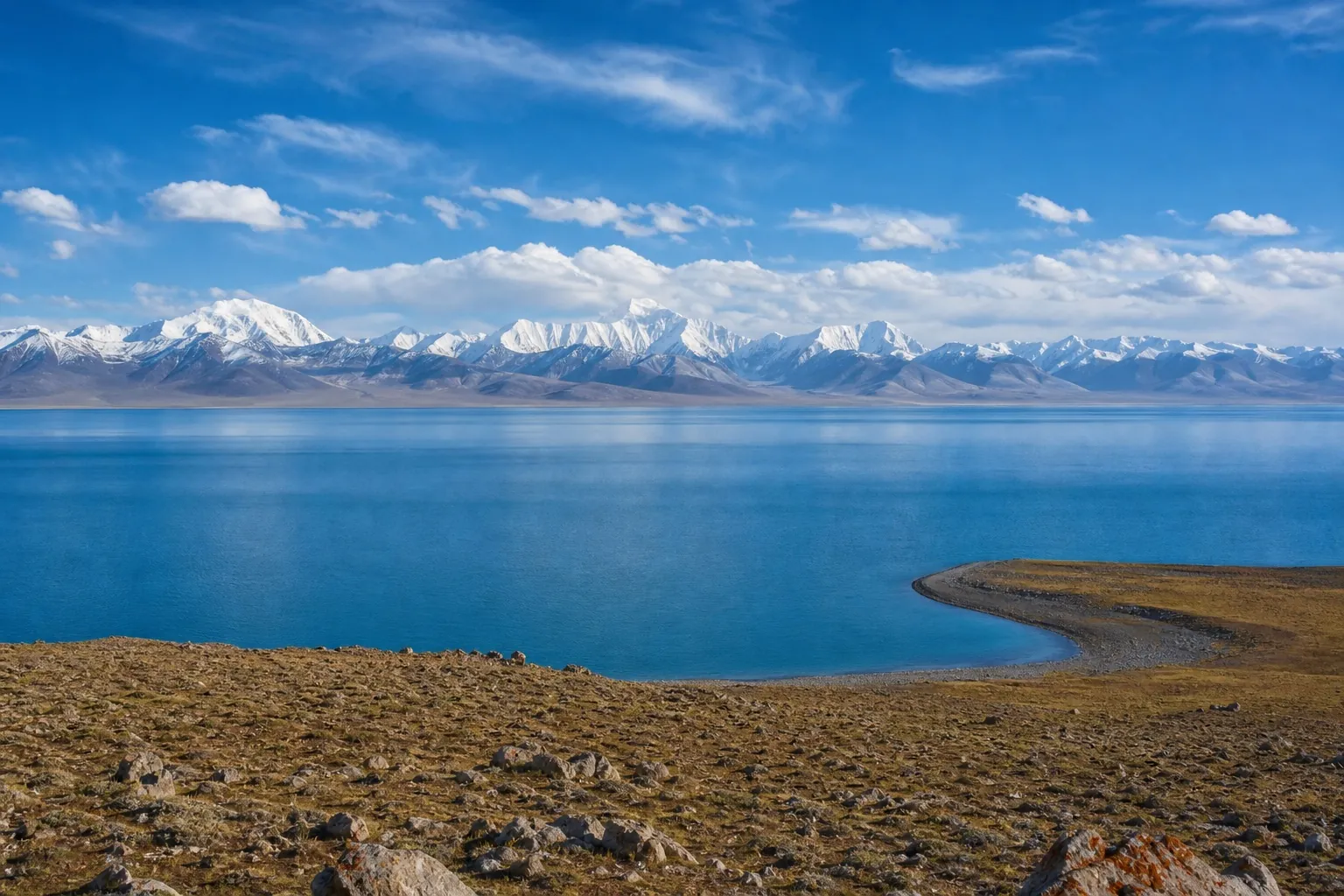
High-altitude blue water framed by distant snow mountains.
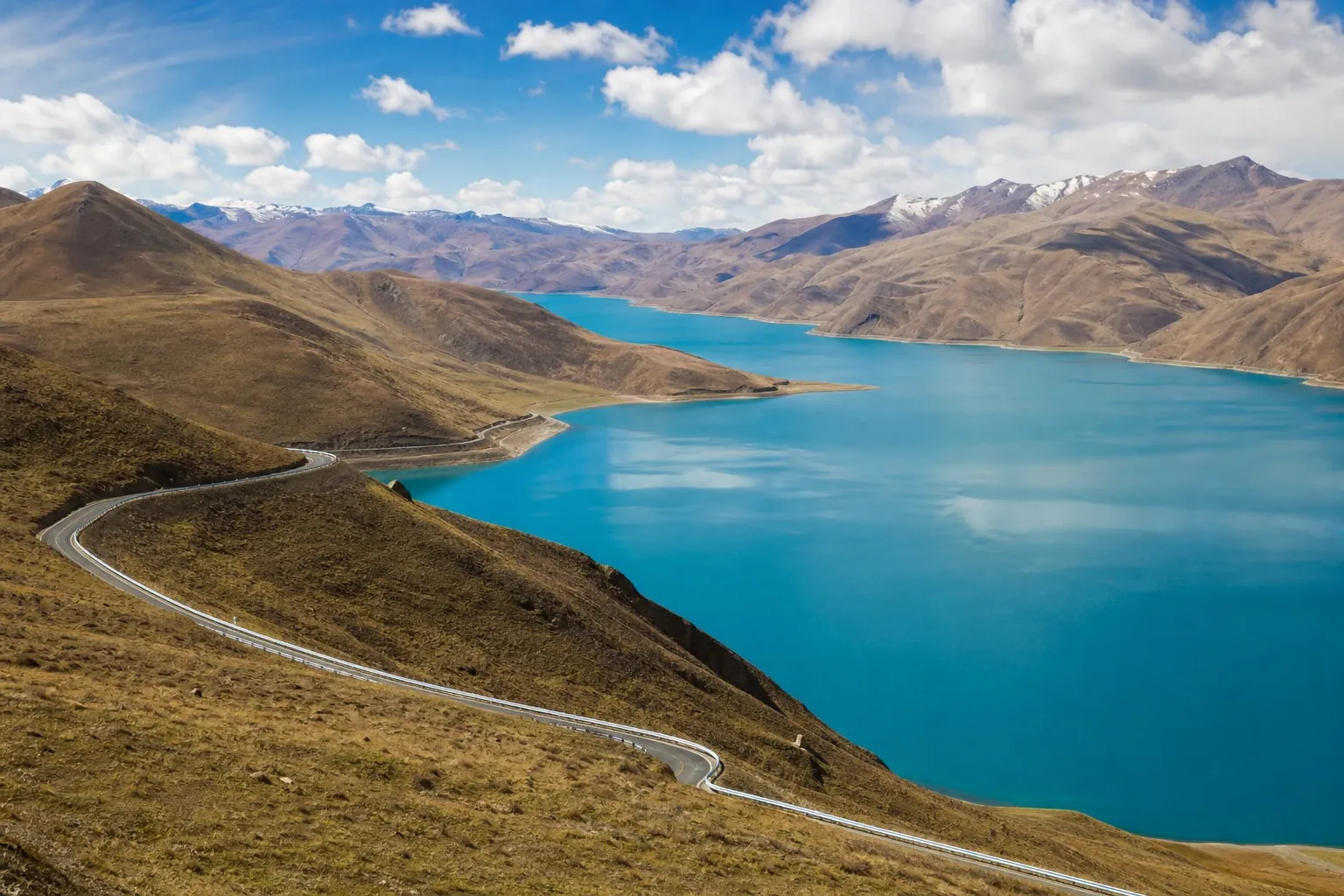 04
04
A winding turquoise lake on the road toward central Tibet.
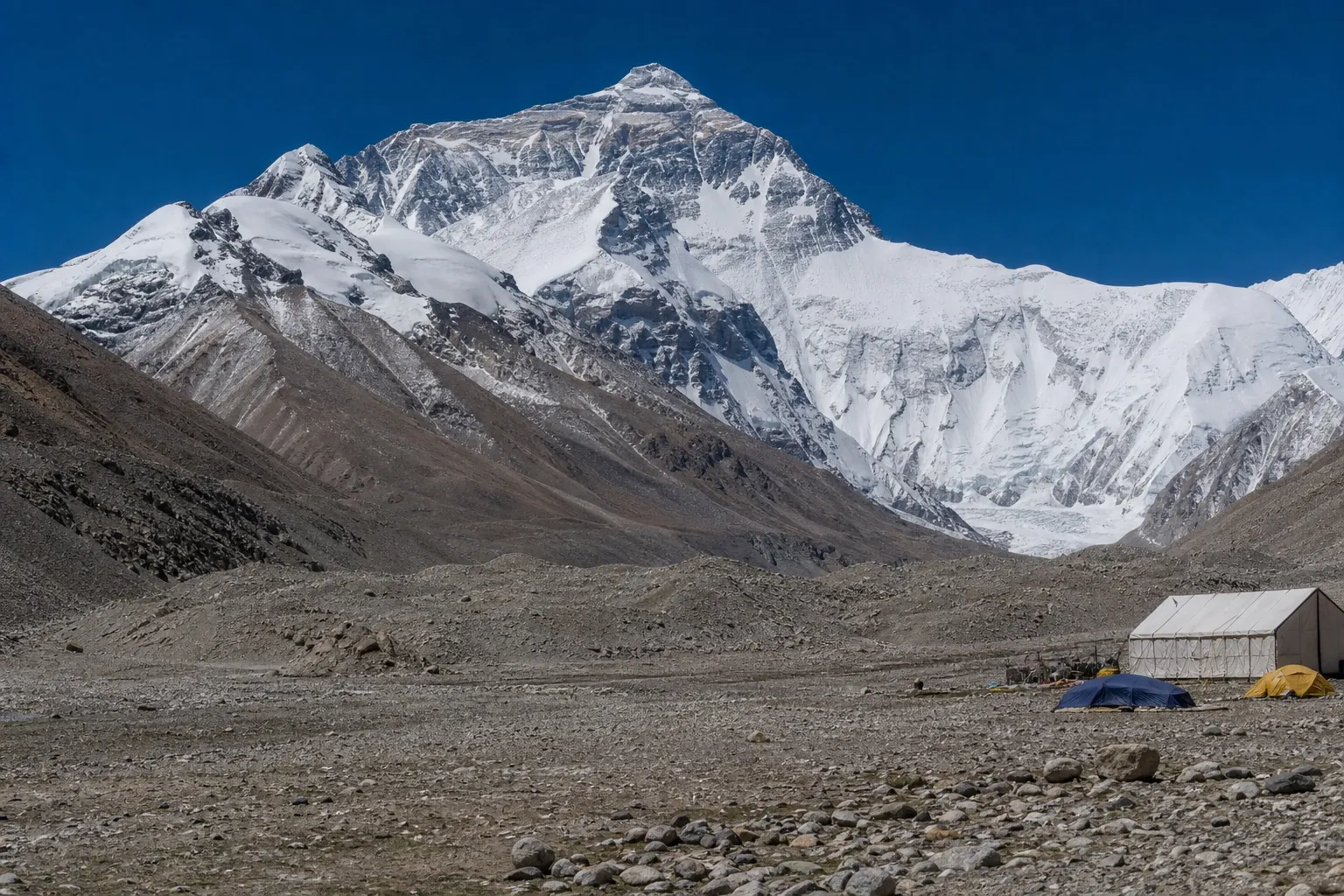 05
05
A remote view of the world’s highest mountain from Tibet.
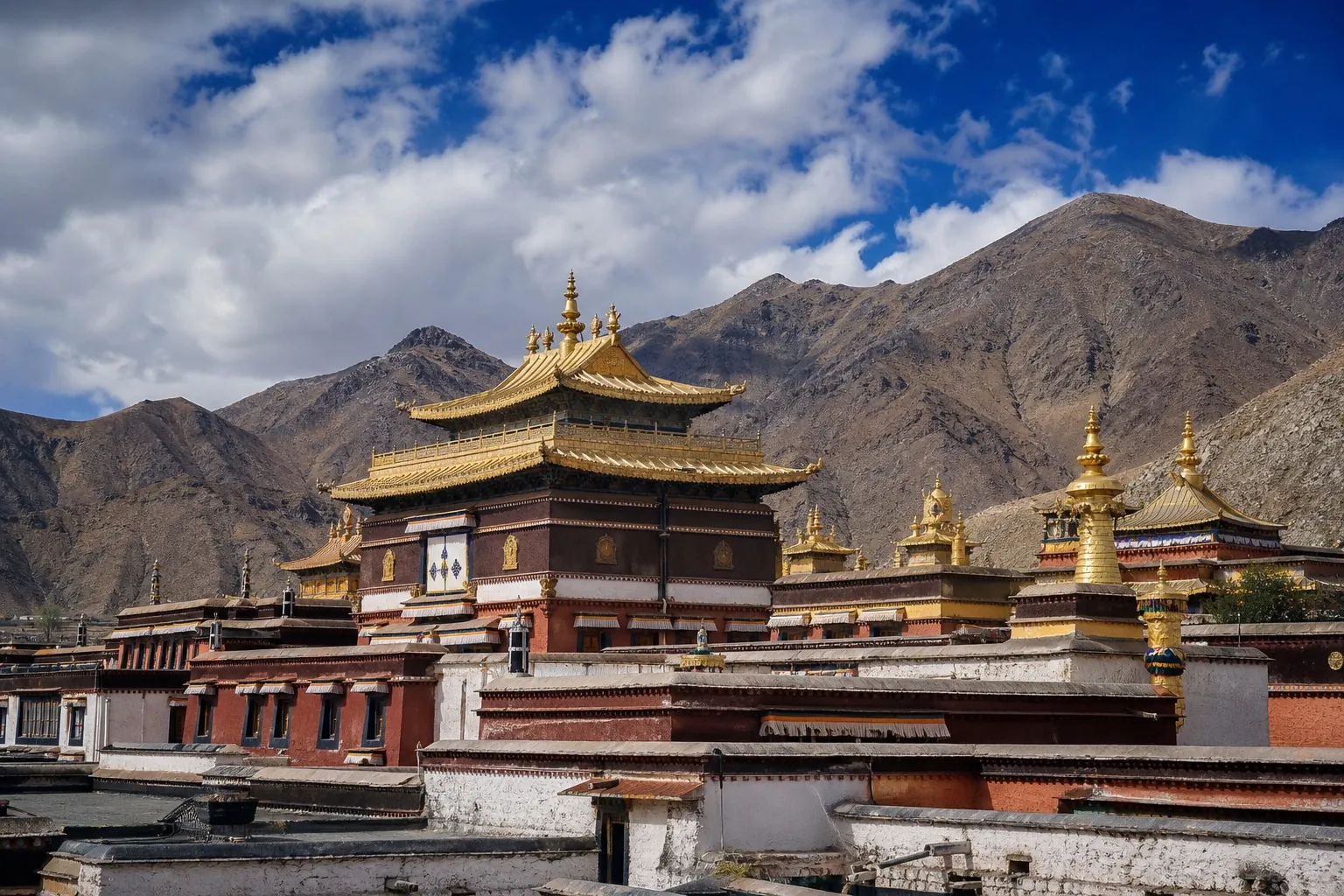 06
06
A major monastic complex in historic Shigatse.
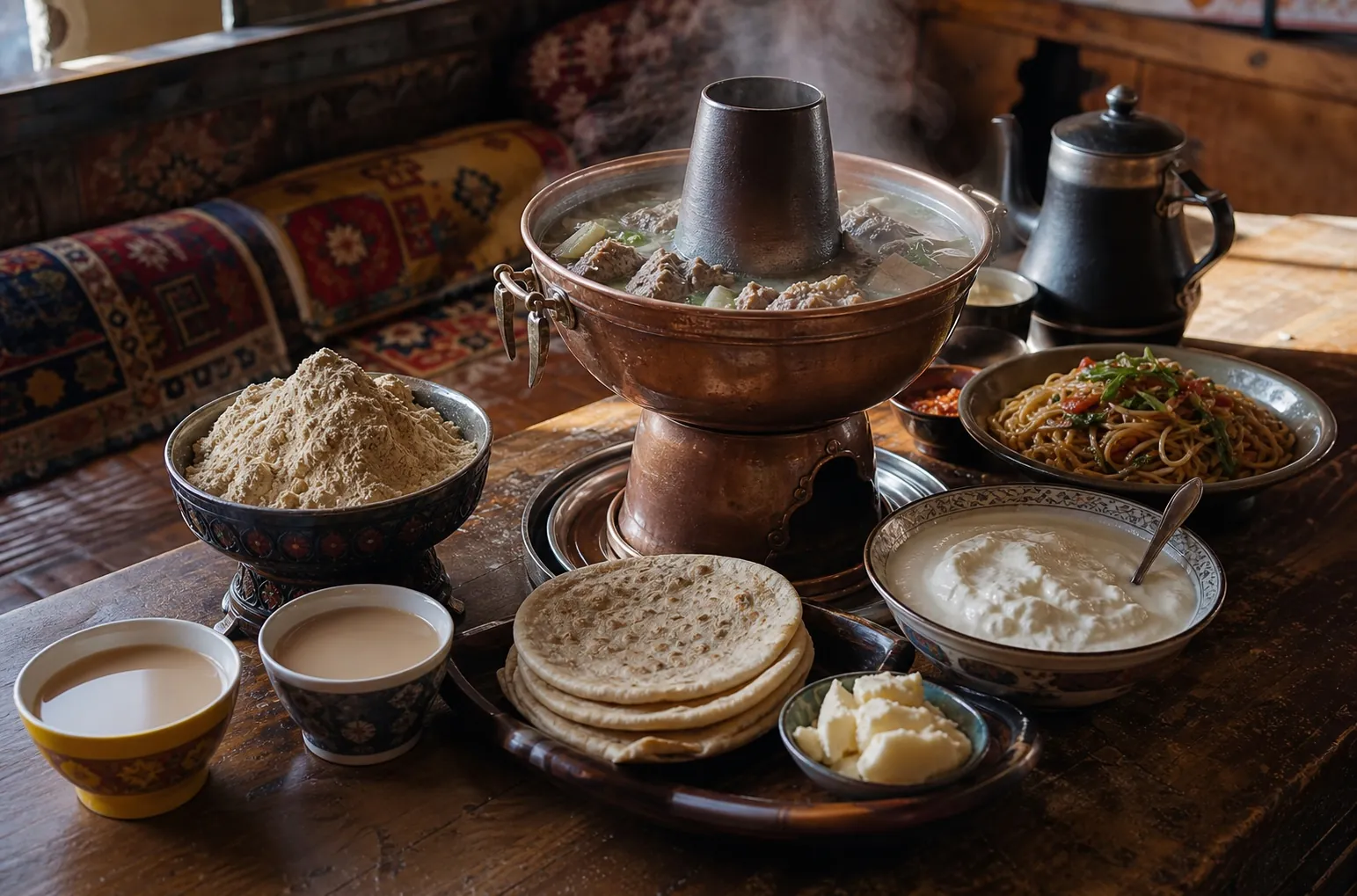
Tibet flavors
Plan at least one local meal into the route — these flavors are part of understanding Tibet.
Know before you go
Your Tibet, made clearer
Send us your dates and pace — we’ll fit Tibet into a smooth, realistic China route.